


Southern Africa is experiencing more frequent and severe wildfires due to rising temperatures, changing weather patterns, and dry vegetation. Rural communities, farms, and ecosystems face growing risks as fire seasons extend and become less predictable.
Emergency response in these areas is often delayed by long distances, inadequate infrastructure, and scarce firefighting resources. This challenge has led farmers and landowners to seek new tools and strategies to prevent fires before they escalate.
Portable pumps create a first line of defense
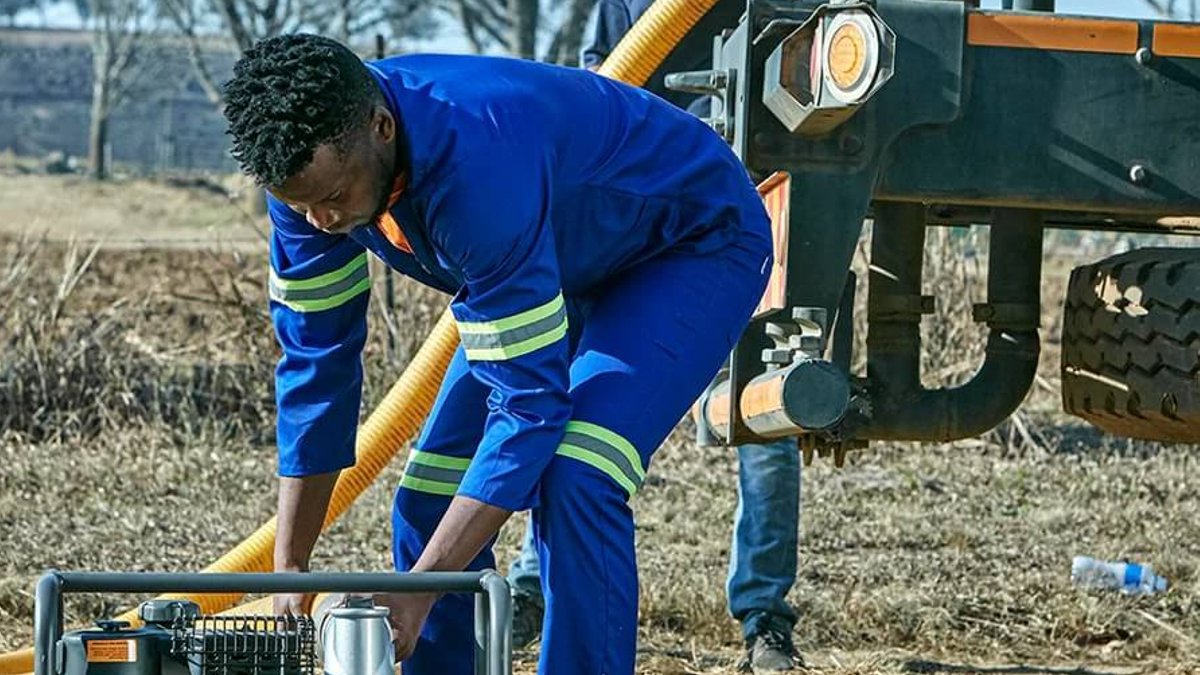
Portable water pumping systems have become a practical solution. These fuel-powered pumps draw water from dams, rivers, boreholes, or storage tanks, enabling users to create wet buffer zones around homes, dry grass, and other flammable materials.
Brad Barthorpe, Africa Distribution Sales Manager at Husqvarna, stated that communities in fire-prone regions can no longer rely on traditional fire seasons. “Wildfires, whether caused by nature or human error, can spread quickly,” he explained. “Communities must stay prepared and know the tools that can help safeguard properties and surrounding land.”
Related: Paystack aids Nigerian small business growth
While these pumps cannot halt large wildfires, they can lower the risk of smaller fires near properties. Farmers are advised to identify water sources, maintain equipment, and keep pumps operational before conditions deteriorate.
Water shortages have worsened as droughts become less predictable. Integrating pumps with storage tanks and irrigation systems allows agricultural businesses to use resources more effectively. This approach supports wildfire preparedness while also aiding crop production and livestock care.
Early warnings and reliable equipment
Digital weather platforms and satellite-based fire monitoring now provide earlier alerts about hazardous conditions. These alerts help farmers secure assets, relocate livestock, and ready emergency equipment before fires advance.
Power outages caused by extreme weather make fuel-powered equipment essential. Such systems ensure water access during crises and keep critical agricultural operations running.
Related: Youth Voices Lab Connects Thousands Across Africa and Europe
Building resilience against wildfires requires more than reacting after fires begin. It demands planning, dependable tools, and improved management of natural resources. As climate pressures increase, technologies that enhance water access and emergency readiness will become more important for protecting communities and businesses in the region.
This move toward proactive measures shows that climate adaptation is now necessary. Farmers who once depended on seasonal patterns now deal with year-round risks. The tools they use today may decide how well they cope with future changes.
The same pumps that help control fires also assist in managing droughts and floods, making them a flexible part of agricultural resilience. For many, the investment is about preserving livelihoods in an unpredictable climate.


