


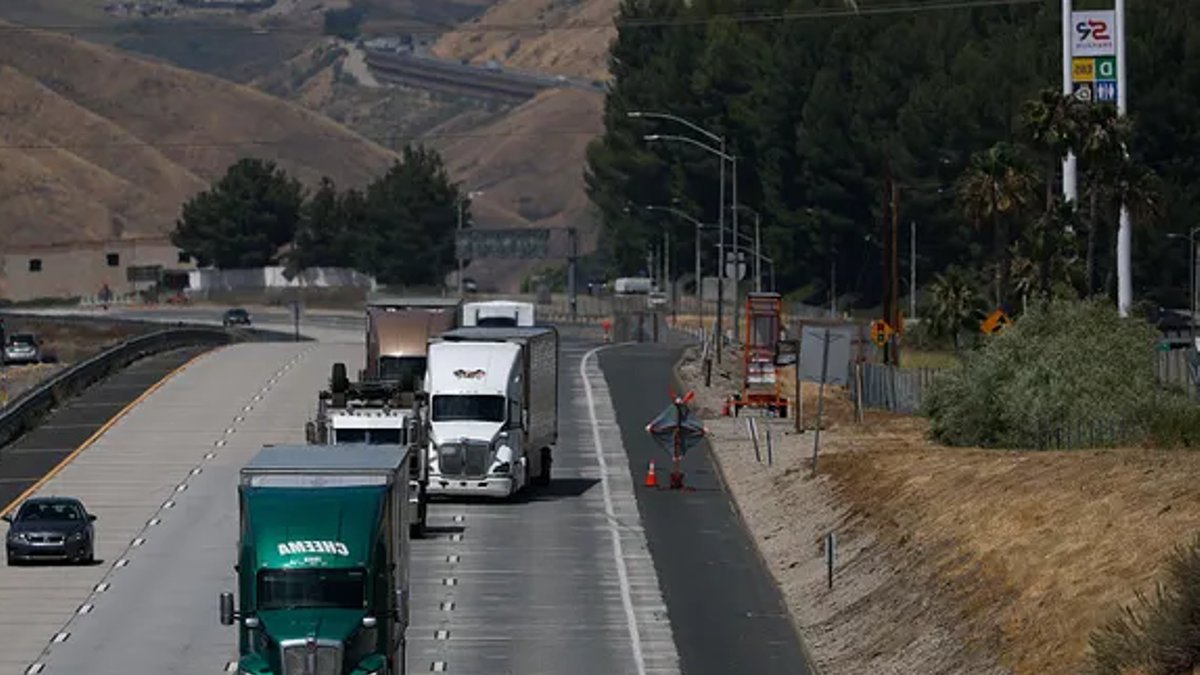
California diesel prices continue to sit above the $8-per-gallon mark, with the state’s on-highway average rising to $8.09 per gallon on Monday, according to data released by the Energy Information Administration, which compiles weekly reports from a network of fuel stations throughout the region. This modest increase represents a one-cent rise compared with the previous week’s average.
During the recent weeks of September, the average price peaked around $8.25 per gallon, a level that has placed considerable pressure on the trucking sector, especially on smaller carriers that operate with tighter cash flows.
Diesel Price Impact
California Trucking Association President Tim Pollock observed that fuel costs rank among the largest line items for trucking firms, even before the sharp price movements witnessed in the first and third quarters of the year. He emphasized that many independent operators lack the capital reserves needed to absorb expenses before fuel surcharges are applied to customer invoices.
He, who also serves as vice president of CPS Express, explained that the surcharges currently in place may only offset roughly seventy percent to seventy-five percent of the additional outlay. The company’s primary service area remains California, though it also dispatches trucks to neighboring Arizona and to Las Vegas, Nevada, where trucks are encouraged to fill up when out of state.
Last week, the Trump administration issued a directive expanding the use of dyed diesel, traditionally reserved for off-road agricultural equipment, to include on-road applications.
Call for Relief
Freight and supply-chain groups, including the California Trucking Association, have formally appealed to Gov. Gavin Newsom for emergency assistance. Tim Pollock indicated that any form of relief would be welcomed, noting that ultimately someone must bear the burden of the heightened costs.
The surge in diesel prices is linked to the ongoing conflict in Iran, which has disrupted key trade routes and damaged dozens of refineries and energy facilities.
Matt Kropf, an associate professor of engineering technology at the University of Pittsburgh at Bradford, expects that we would see raised diesel prices well into 2027, based on the type of refining capacity equipment that needs to be repaired, rebuilt, replaced, that has suffered damage through international conflicts.


