


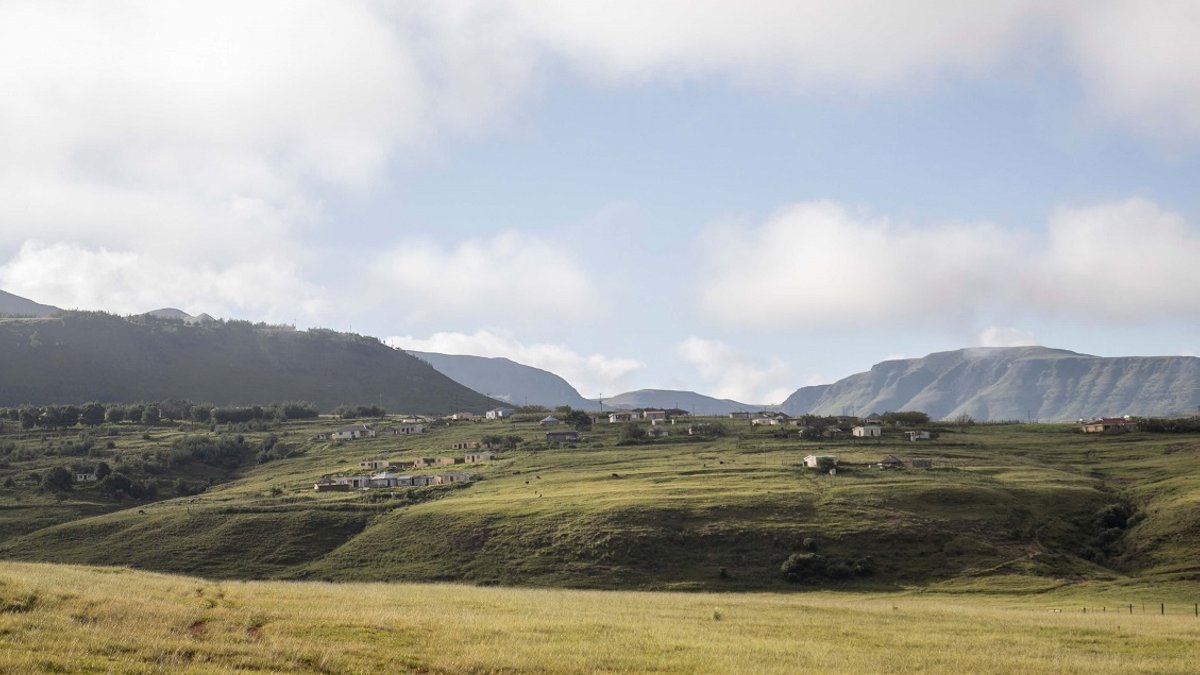
South African farming communities have received their first carbon revenue payments from a grassland restoration project designed to combine environmental protection with rural economic growth. The Grassland Restoration and Stewardship in South Africa (GRASS) project has distributed R2.7 million among 15 participating communities following the sale of its first verified carbon credits.
The payments followed the verification and issuance of 266,254 Verified Carbon Units covering the project’s first monitoring period. The initial phase covered more than 95,000 hectares of grassland and involved approximately 180 communities with nearly 10,000 communal farmers. The carbon credits received both the Climate, Community and Biodiversity (CCB) label and Verra’s VM0042 methodology certification, providing independent verification of the project’s climate, social, and biodiversity outcomes.
Unlike some conservation finance models where communities receive limited benefits, GRASS is structured so that carbon revenues flow directly to participating communities through their grazing associations. The funding supports priorities such as professional herder salaries, fire management, livestock health programmes, and other activities aimed at improving land conditions and agricultural productivity.
Related: Tech aids wildfire resilience in southern Africa
Developed by TASC in partnership with Meat Naturally Africa, the project works with communal livestock farmers across the Eastern Cape and KwaZulu-Natal to restore degraded grasslands through regenerative grazing, improved livestock management, fire management, and community-led land stewardship. The payments represent an important milestone in demonstrating how carbon markets can create new income opportunities for rural communities while supporting environmental restoration.
A New Business Model for Rural Agriculture
Carbon finance is increasingly being explored as a way to create additional revenue streams for farmers while encouraging sustainable land management practices. Under the GRASS revenue-sharing model, communities are expected to receive more than 50% of cumulative net carbon revenue during the first 10 years, increasing to 80% by year 20. The project has already generated wider economic benefits. Participating farmers have earned approximately R56.4 million in additional income through improved market access, including mobile livestock auctions and wool shearing services.
This approach connects environmental restoration with commercial opportunities, allowing farmers to benefit from improved land management practices while participating in emerging carbon markets. Carbon credits are often discussed in terms of tonnes and markets, but their long-term value depends on creating durable economic opportunities for the people who make these projects possible, said Shelley Estcourt, CEO of TASC Africa. Communities should be viewed as active partners in restoration projects rather than only beneficiaries, added Sarah Frazee, founder and CEO of Meat Naturally Africa.
Related: Motorcycle Accident Lawyers
Regenerative Agriculture and Climate Resilience
The GRASS project focuses on regenerative grazing practices designed to improve soil health, restore biodiversity, and increase the productivity of grasslands. Through the Ecoranger programme, community members have received training in regenerative grazing, biodiversity monitoring, wildfire management, and invasive species control. These locally trained land stewards play an important role in maintaining restoration activities and monitoring environmental improvements.
South Africa’s communal rangelands support millions of livestock and contribute to rural livelihoods, biodiversity conservation, and carbon storage. Improving the condition of these settings creates both environmental and economic benefits.


