


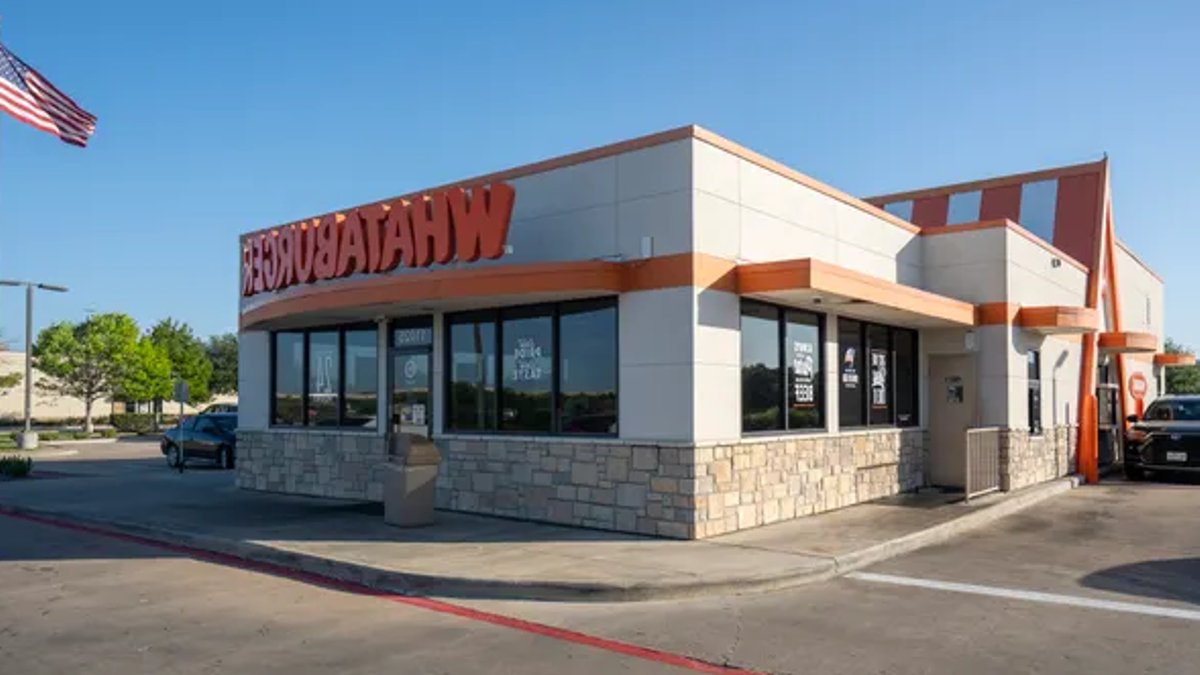
Whataburger, the Texas-based restaurant chain, has been expanding its supplier base to combat inflation and support its growth. With over 1,200 locations across 17 states, the company’s Chief Supply Chain Officer, Todd Huetinck, has been working to diversify suppliers and reduce costs without compromising quality. This shift marks a significant evolution from the chain’s traditional reliance on local, family-operated suppliers in Texas, reflecting its expansion beyond state borders.
Diversifying suppliers for growth and innovation
Since joining Whataburger in October 2024, Huetinck has expanded beef and chicken suppliers, vertically integrated with beef packers, and sourced non-food products globally. The goal is to partner with suppliers that can help the company grow and innovate, while also reducing costs. Huetinck told Restaurant Dive that the cost savings are a bonus, but the primary focus is on quality and innovation. He emphasized, “We’re diversifying to partners that can help us grow and innovate,” highlighting the strategic intent behind these changes.
Whataburger’s supply chain strategy targets product categories with high inflation rates, prioritizing cost reduction in these areas. Beef inflation, in particular, has been a significant challenge, with commodity prices rising nearly 17% over the past five years.
Balancing quality and cost in a growing chain
This approach has been applied to other product categories, including chicken, where Whataburger has doubled its number of poultry suppliers to meet consumer demand and support innovation. Huetinck noted that the chain sought “innovation partners that can help us grow,” which led to the introduction of new chicken sandwiches like the Hot Honey Crisp Whatachick’n Sandwich and the Bacon Wrangler Chicken.
Whataburger’s focus on quality is evident in its chicken tenders, which are made from tenderloins, not breast meat. This commitment to quality extends to the company’s More for $4 menu, which was developed in collaboration with marketing and finance teams to offer value without sacrificing margins or quality. The menu features original, high-quality items priced at $4. Huetinck explained, “Those aren’t new value-engineered menu items.
Global sourcing and risk management
Despite tariffs, Whataburger has experienced minimal impact by proactively sourcing products from non-impacted countries and maintaining a safety stock in the US. Huetinck remarked, “We were never in a just-in-time situation when the tariffs were at their peaks,” showcasing the company’s foresight in risk management.
The company also manages transportation risks by alternating between rail and trucking for certain ingredients, such as french fries. When trucking costs spike, Whataburger examines product travel distances and repositions freight to reduce truck miles. Huetinck emphasizes the importance of long-term strategic thinking, using a green ping-pong paddle in his office to encourage discussions about creative supply chain solutions rather than daily firefighting. He warned against focusing solely on short-term risks, stating, “Focusing exclusively on short-term risks can lead to a pretty dangerous death cycle.”
By diversifying its supplier base and prioritizing quality, Whataburger has been able to forecast inflation below 2% for 2026, significantly lower than the national average. This achievement is a result of hard work, supplier collaboration, and creative buying approaches that maintain the company’s commitment to quality and food safety. Huetinck attributed this success to “the result of hard work, working with our suppliers and being creative with how we’re approaching buying our food without compromising quality at all.”


