


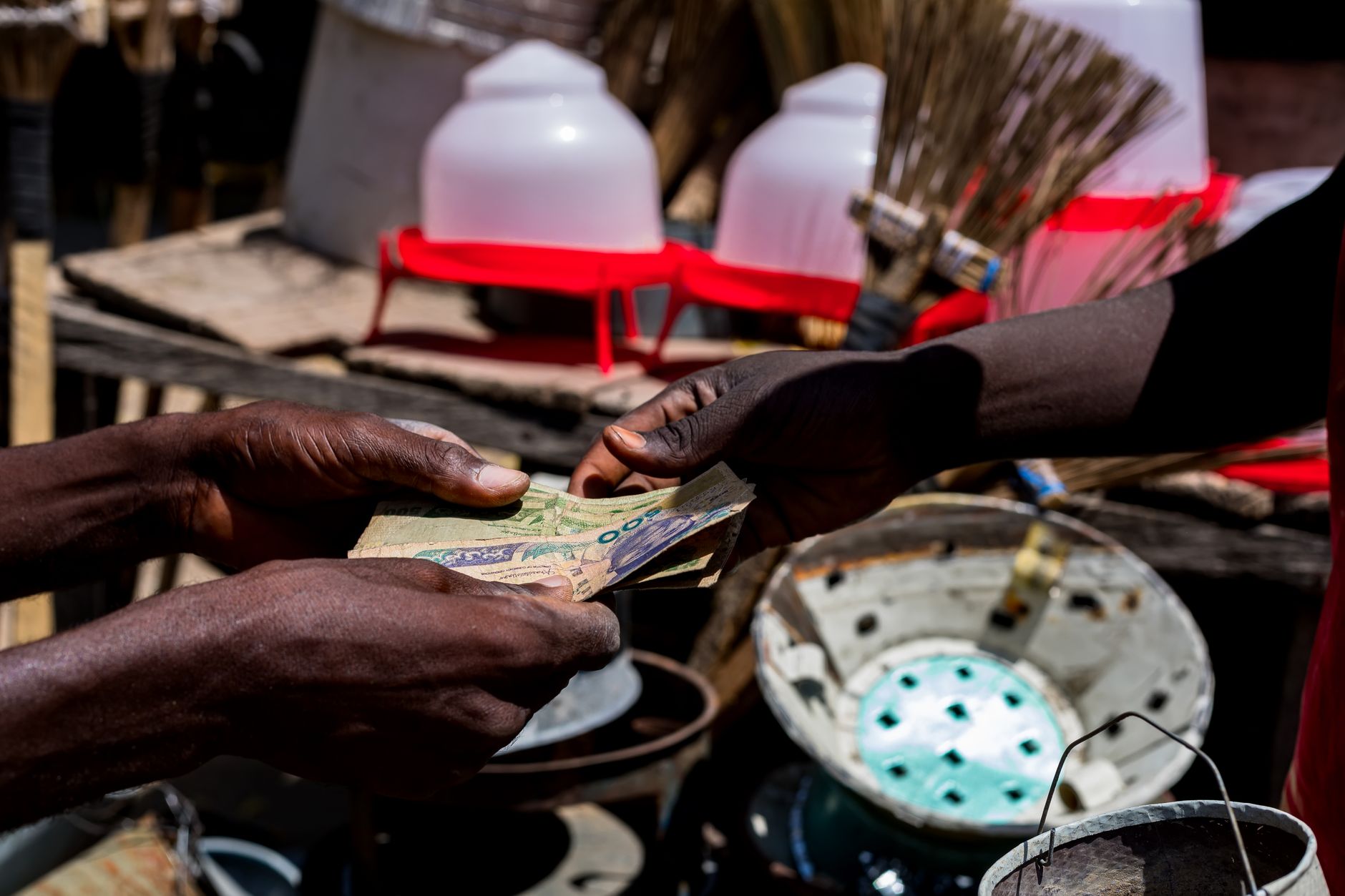
The Nigerian naira reached a six-month high against the dollar on Thursday, closing at N1,514.86 in the official foreign exchange market. The gain marked its strongest performance since March 6, when it traded at N1,512.30 per dollar.
Policy reforms and liquidity drive recovery
The Central Bank of Nigeria has injected over $4.1 billion into the foreign exchange market in the first half of 2025 as part of broader reforms led by Governor Olayemi Cardoso. External reserves now stand at $41.30 billion, providing a buffer against volatility.
Improved liquidity and a narrowing gap between official and parallel market rates contributed to the currency’s strength. The black market rate held steady at N1,535 per dollar this week, signaling growing confidence in the bank’s market-driven approach. Foreign portfolio investments surged to $4.9 billion this year, nearly double last year’s total.
Some economists remain skeptical about the recovery’s sustainability. The bank’s interventions, more than triple the amount spent in the same period last year, have raised concerns about reserve depletion.
Social media reactions mix optimism and caution
The naira’s rally sparked celebrations online, with financial commentators and institutions highlighting the milestone. Lagos-based analyst Fisayo Fosudo’s breakdown of exchange rate unification gained traction. His videos explained how market forces now shape currency values and became a reference for Nigerians tracking the naira’s trajectory.
Not all reactions were positive. A Twitter user argued, “No responsible central bank would allow market forces to solely determine currency value,” defending the interventions while acknowledging risks. Others pointed to rising import costs and transaction fees as potential downsides.
Related: De Beers’ Venetia Pause Sparks Industry Uncertainty
A generational divide emerged in the discourse. Older users in Facebook groups expressed relief over stronger savings. Younger traders on TikTok and Instagram worried about the impact on tech subscriptions and international services. The mixed sentiment reflected broader uncertainty about whether the gains would hold.
Nigeria’s currency has staged comebacks before. In 2017, the naira stabilized after a sharp devaluation, only to slide again amid falling oil prices. This time, the bank focused on attracting foreign capital through high interest rates. That strategy drew $20.7 billion in autonomous FX inflows in the first quarter of 2025, the highest since the pandemic. Whether that capital stays depends on global conditions and the institution’s ability to balance liquidity with fiscal discipline.
Economic fundamentals show mixed signals
Nigeria’s current account shifted into surplus, driven by reduced import pressures and stronger non-oil exports.
Challenges persist. While the rally has eased pressure on businesses, some worry about the cost of maintaining high interest rates to attract foreign capital. For now, the Central Bank appears willing to accept that trade-off.
Many Nigerians still face financial strain from predatory lending practices, which remain a concern even as the currency stabilizes. Those struggling with online loan traps may see little immediate relief despite the naira’s gains.


