


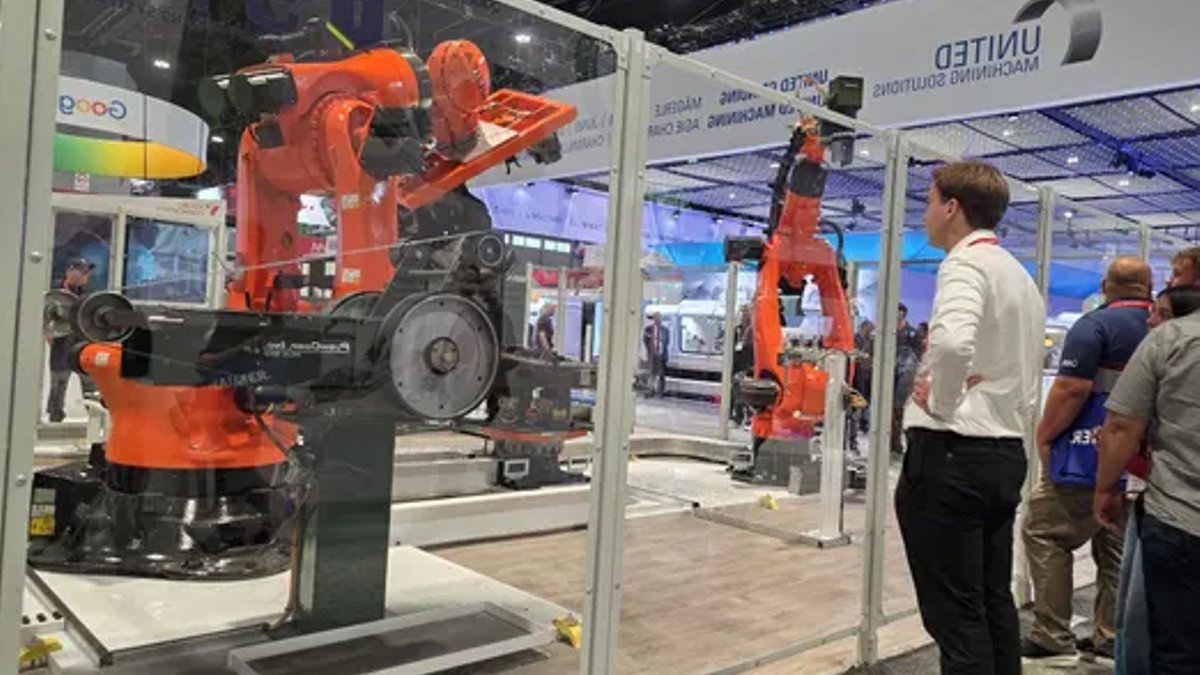
At the International Manufacturing Technology Show in Chicago, experts cautioned manufacturers against rushing to implement automation and artificial intelligence in their factories without considering several key factors. Sven Diedrich, head of digital transformation and business solutions at Pinaxis, identified four pillars that are critical for successful automation: people, processes, data, and systems.
Diedrich warned that manufacturers often focus too much on the latest technology, rather than ensuring that these four pillars are aligned. Manufacturers must ensure that their people, processes, data, and systems are actually aligned, rather than improving in isolation. This disconnect can lead to a mediocre automation environment, despite significant investment in technology.
Understanding the Four Pillars
Diedrich emphasized that each of the four pillars plays a significant role in successful automation. For example, when it comes to people, companies need to consider who owns the process, who operates the solution, and who supports it. He noted that people are often treated as an afterthought in automation, with the focus instead on equipment and software.
Skills development is also essential, as automation creates different challenges and requires different skill sets. IT and operational technology departments need to work together to bridge gaps and define requirements for new automated systems.
Automation Process Challenges
When it comes to processes, Diedrich stressed the importance of understanding the implications of reducing or eliminating human intervention. Automation can expose process weaknesses quickly, as machines do not deviate from their programming and cannot compensate for shortcomings in the same way that humans can.
A company must decide who owns system availability, data, and continuous improvement efforts, and clear rules are essential to avoid chaos and failure. Inefficient processes should not be embedded into automated systems, as this can make waste more consistent and efficient.
Trustworthy and fresh data is also key to successful automation, and companies need to manage data properly to create value. This includes master data, transactional data, and process data.
Finally, manufacturers need to have good systems in place to take advantage of automated processes, including robust communication channels between departments and between equipment and operators.
Scaling Automation Successfully
Diedrich noted that once the four pillars are firmly in place for a pilot automation project, it’s time to think about scaling it. However, this requires careful consideration of the differences between one factory or country and another, where people may operate quite differently.
A pilot project can be successful, but scaling automation requires true readiness and visibility of shortcomings. Diedrich emphasized that companies need to ensure that their people, processes, data, and systems are aligned and ready for automation before attempting to scale it.
By focusing on the four pillars, manufacturers can create a solid foundation for successful automation and avoid common pitfalls.
The importance of aligning people, processes, data, and systems cannot be overstated, as it directly impacts the effectiveness of automation. As manufacturers continue to invest in automation and artificial intelligence, they must prioritize these four pillars to achieve true success.
Avoiding Automation Pitfalls
Automation can make a good process extremely efficient, but it can also make a bad process extremely efficient. The robot can repeat waste more consistently, and the software can digitize waste without knowing it. None of these things address the underlying problem causing the inefficiency. Trustworthy, fresh data that everyone understands is also key to successful automation, and companies should pay careful attention to several types of data, including master data, transactional data, and process data.
Determining what applications exist, the role of each, and how data is inputted and processed is key. The value that the company expects to gain from an automated system should also be clearly defined. By considering these factors, companies can ensure a successful automation environment and achieve their business objectives.


