


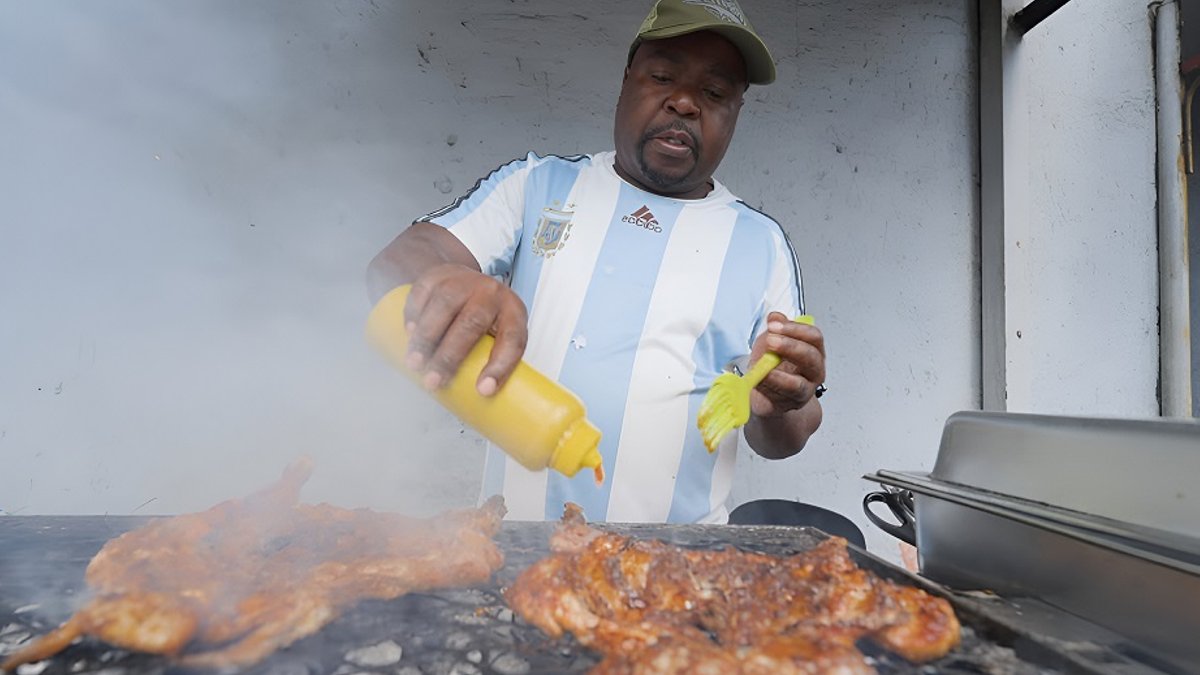
Johannesburg street food has moved from a local habit to a global attraction, earning the city a spot among the world’s top ten street‑food destinations in a recent ranking.
Visitors flock for flavor.
Time Out ranks Johannesburg eighth in global street‑food list
In 2026, a major travel guide placed Johannesburg eighth on its list of the 20 Best Cities in the World for Street Food. The city now shares the spotlight with places such as Ho Chi Minh City, Kuala Lumpur, Mexico City, Hanoi and Bangkok. The ranking reflects not only the variety of dishes but also the growing business potential for local entrepreneurs.
Related: AI growth in Africa sparks security fears
Entrepreneurs turning family recipes into thriving businesses
Among the vendors highlighted in the ranking is a stall in Soweto known for its kota, a quarter‑loaf of bread filled with chips, polony, sauces and other toppings. The dish, now a recognizable symbol of South African street food, was popularized by a family‑run operation that has expanded its reach to tourists and locals alike.
Another story comes from Midrand, where a food truck founded by two former employees, TK and Pablo Tshiololi, blends township flavors with classic cooking methods. Their menu includes grilled mala, masonja cooked with tomato and onion, and flame‑grilled tilapia served alongside pap. These offerings illustrate how culinary tradition can be repackaged for a broader market.
Such enterprises illustrate a pattern: they are building businesses around recipes passed down through generations, responding to community demand while attracting international attention. The growth of these ventures contributes to job creation and supports local suppliers, reinforcing a cycle of economic activity that begins at the street level.
Related: Stellantis Expands in Middle East & Africa Despite Market Drop
Looking ahead, the momentum could encourage more aspiring cooks to launch their own stalls, especially as the city’s reputation continues to rise. If the current trajectory holds, we may see a deeper integration of street‑food experiences into mainstream tourism packages, potentially reshaping how visitors plan their trips to Johannesburg.
Beyond the immediate benefits to stall owners, the expansion of street‑food tourism helps channel spending toward small‑scale businesses rather than large chains. This shift can improve livelihoods in neighborhoods that historically have had limited access to high‑visibility markets. Moreover, the visibility of dishes like the kota and the innovative menus of food trucks provides a platform for cultural exchange, allowing visitors to learn about South African culinary heritage directly from its creators.
International recognition also brings challenges. Increased demand can strain supply chains, and the need to maintain quality while scaling up may test the capacity of small operators. Nevertheless, the overall outlook appears positive, with the city’s street‑food scene serving as a catalyst for broader economic development.


