


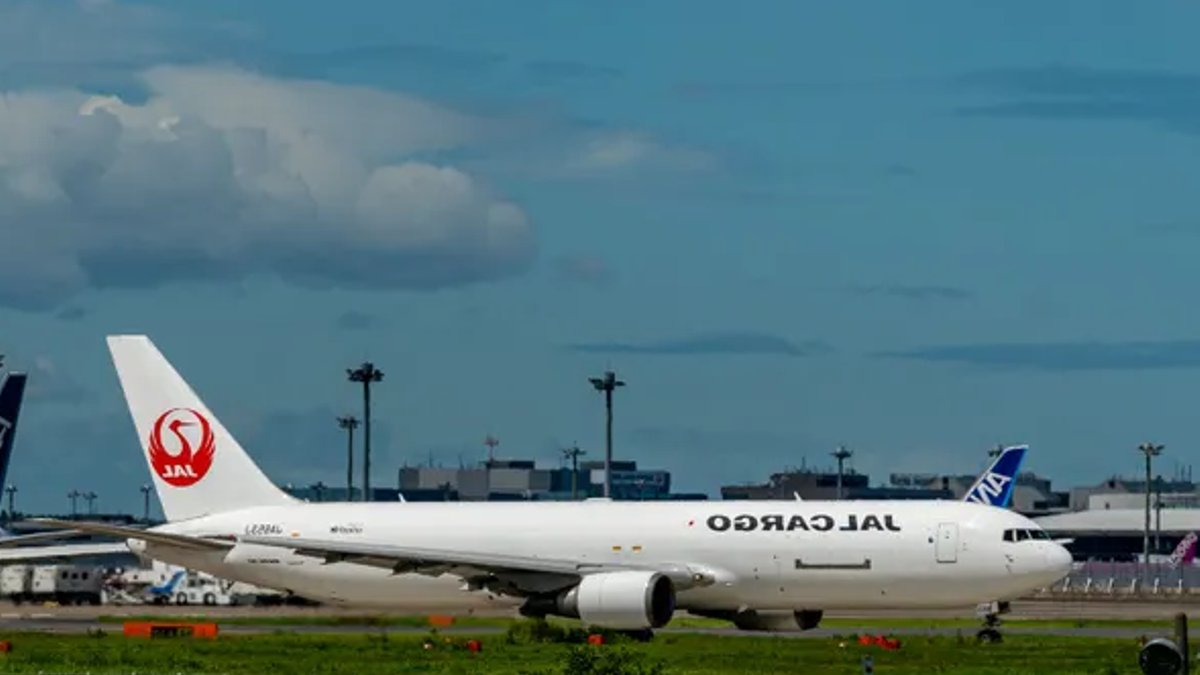
Nippon Express Holdings and Japan Airlines have launched a weekly freighter service connecting Los Angeles with Narita, Taiwan, and Singapore. The service, which began on October 3, aims to meet the growing demand for artificial intelligence and semiconductor-related cargo. According to an October 1 press release, this initiative addresses the increasing need for specialized transport solutions in these sectors.
The route is operated by a Boeing 747F with a maximum payload capacity of 100 tons. It will run weekly throughout 2026, with plans for further network expansion in the future. While the 2027 schedule remains unspecified, both companies have committed to pursuing additional growth opportunities, emphasizing the long-term potential of this partnership.
This move comes as AI and semiconductor volumes continue to drive growth in the air cargo sector. In June, these sectors helped push global air cargo demand up 7% year over year. Meanwhile, global semiconductor sales in August rose 8% month over month to $159.7 billion, marking the 18th consecutive month of growth. Regionally, sales in the Americas surged by over 180% in August, while the Asia Pacific region saw a 143% increase, showing the global demand for semiconductor-related products.
Read Also: Trump Announces $15B Steel Mill in Iowa
The new service is designed to transport oversized and heavy cargo, such as server racks and data center equipment. It also caters to the increasing demand for high-value-added cargo, fueled by the rise of generative AI and digital infrastructure investments. The press release highlights that the service’s flexibility allows for cargo to be loaded and unloaded at each port of call, enabling diverse and efficient transport operations across North America and Asia.
While AI-related cargo currently accounts for less than 10% of air cargo volumes, its impact is significant. Air cargo providers are adapting to meet demand on specific routes. For instance, DHL Global Forwarding launched a thrice-weekly service between Bangkok and Cincinnati earlier this year, citing the technology sector as a key driver. This reflects the broader trend of logistics companies tailoring their services to accommodate the unique needs of AI and semiconductor industries.
With few airlines operating large freighters within the region, this service offers a stable and flexible transport solution. By addressing the gap in intra-Asia freighter services, the partnership aims to enhance supply chain reliability for high-demand cargo.


