


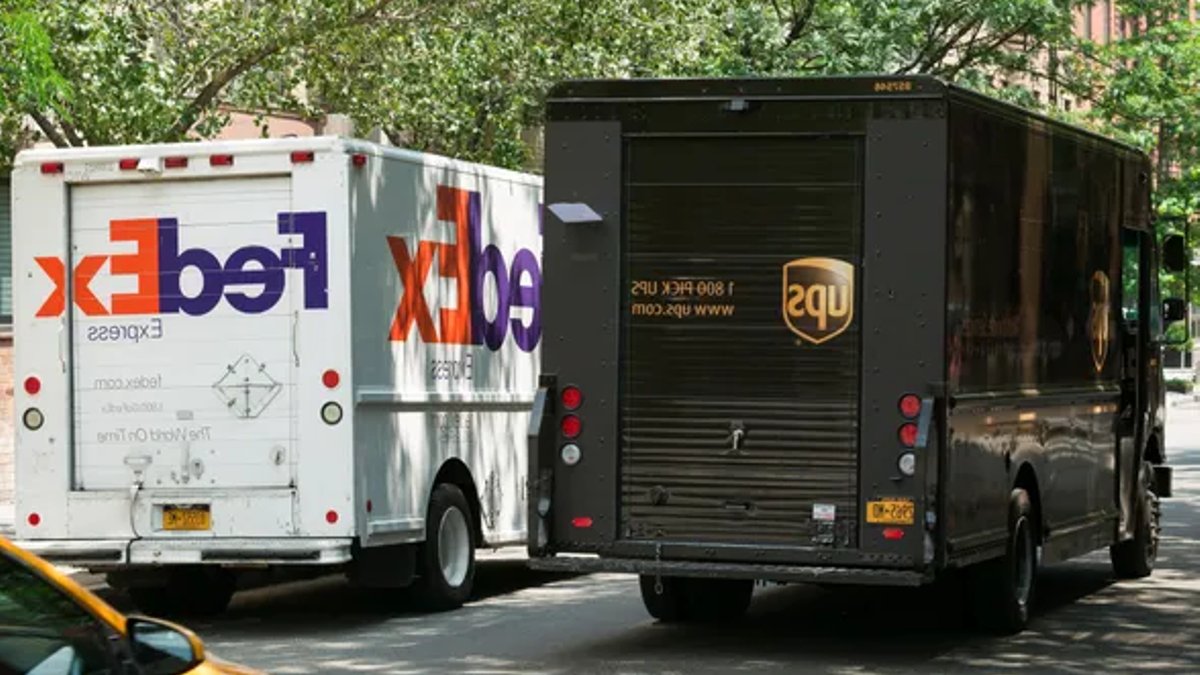
FedEx and UPS ground parcel rates are projected to reach record highs in the fourth quarter, driven by holiday surcharges, rising fuel costs, and ongoing capacity constraints, according to the TD Cowen/AFS Freight Index. While Q3 saw a 2% quarter-over-quarter decline in rates due to easing fuel surcharges and increased delivery discounts, the temporary relief is unlikely to extend into the peak season.
Q3 Pricing Trends and Temporary Relief
The ground parcel rate per package in Q3 stood at 38.8% above the January 2018 baseline, according to the index. This marked a slight decrease from the previous quarter as diesel prices moderated in the first two months of the period. The average effective fuel surcharge paid by shippers dropped 4.7% quarter over quarter, reflecting the decline in fuel costs during that time.
Despite this quarterly decrease, rates remained significantly higher than year-ago levels. The decline in surcharges was attributed to both lower diesel prices and adjustments in how carriers calculate fuel fees. However, the index notes that pricing relief did not fully offset the year-over-year increases, leaving customers facing higher costs compared to the same period in 2023.
Q4 Projections and Record-High Costs
The TD Cowen/AFS Freight Index projects ground shipping costs will surge to 43.3% above the January 2018 baseline in Q4, setting a new record. This increase stems from heavier holiday surcharges, raised fuel surcharges, and persistent capacity constraints that limit carrier availability. The index compares this to Q4 2025 levels, indicating a significant jump from the previous quarter’s rates.
For express parcel shipments, costs are also expected to rise sharply. The rate per package is projected to reach 20.3% above the baseline in Q4, up from 17.1% in Q3. This increase reflects higher billed weights and greater use of premium services, particularly in sectors like healthcare that require expedited deliveries. The index notes the combination of deeper base discounts and higher surcharges continues to widen the gap between published rates and what shippers actually pay.
Fuel Surcharge Adjustments and Long-Term Impacts
Escalating fuel surcharges have dominated discussions throughout 2026, influenced by geopolitical tensions such as the Iran war and disruptions in the Strait of Hormuz. While diesel prices have recently eased, modifications to FedEx and UPS’s fuel surcharge calculations mean raised fees are likely to persist. Between Q1 2021 and September 2026, 72% of the increase in ground fuel surcharges resulted from carrier adjustments rather than actual diesel price changes, according to the presentation accompanying the index.
This means that even if diesel prices return to 2021 levels, shippers would still pay roughly triple what they did in Q1 2021. Mingshu Bates, AFS Logistics chief analytics officer and president of parcel, stated in an interview that relief on diesel prices would not translate to significant reductions in fuel surcharges. Carrier-specific calculation changes have embedded higher costs into the rate structure, limiting the impact of fuel price fluctuations on final charges.
Discount Strategies and Customer Targeting
In a positive sign for businesses, ground parcel discounting activity from FedEx and UPS rebounded to Q1 2026 levels in Q3 after a slight decline in Q2. The presentation notes that both carriers focused discounts on large shippers rather than small- and medium-sized businesses. Large customers, due to their volume and operational flexibility, can more easily switch carriers, prompting FedEx and UPS to offer incentives to retain them.


