


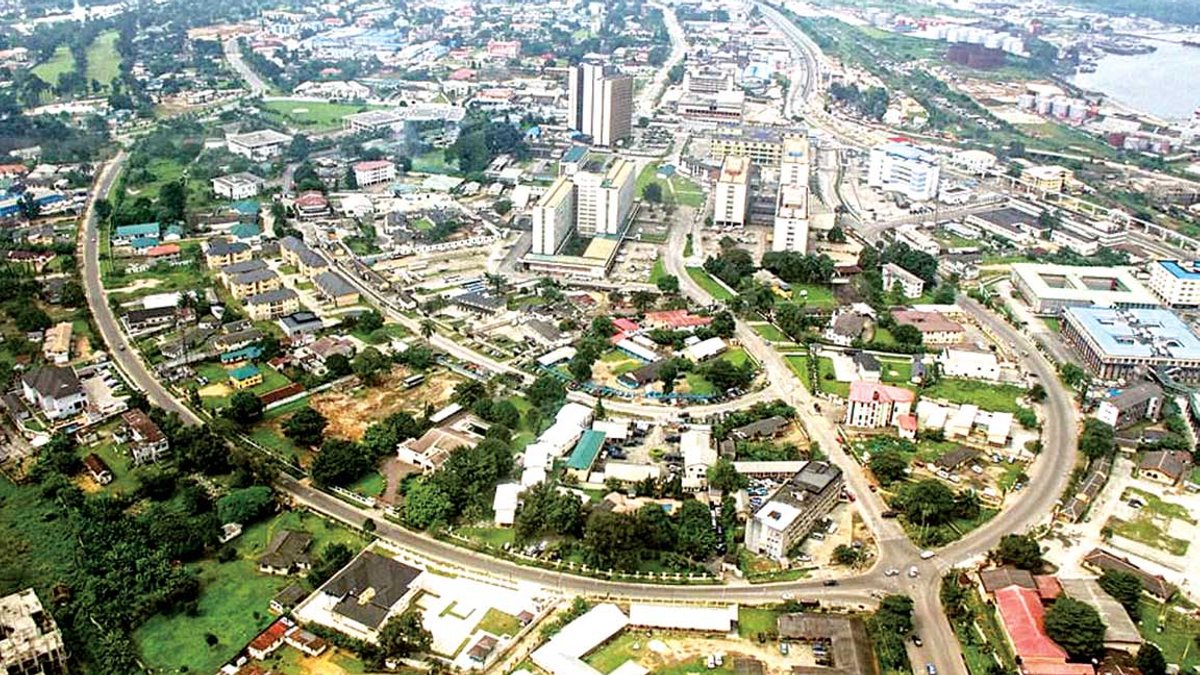
Social media feeds are awash with grief as users describe the Port Harcourt decline, noting that by 9 p.m. the streets feel “as quiet as a cemetery,” according to an economist who visited the oil hub last week.
The metropolis once wore the nickname “Garden City” for its lush avenues and nonstop nightlife, where oil executives and entertainers mingled in packed nightclubs. Today, basic municipal services struggle to function, and the once‑lively avenues sit under dim streetlights.
Entertainment venues report a 60% drop in nightly patronage, with some clubs seeing revenues shrink to 20% of former levels. Commercial districts such as GRA, Odili Road and Computer Village have recorded sales losses ranging from 60‑80%, according to local business owners.
Founded in 1912 as a colonial export point, the area became Nigeria’s energy capital after Shell’s 1950s oil finds at Oloibiri. For decades it symbolized opportunity in the Niger Delta, drawing workers and investors from across the nation.
From Garden City to Empty Streets
Now, the capital’s once‑busy streets echo with emptiness; storefronts stand dark, and former hubs of activity lie silent. Residents recall a time when the city “hosted casinos, pools, night clubs, among others,” a stark contrast to today’s quiet avenues.
Related: Nigeria’s 2027 Election Campaign Starts Early
Local entrepreneurs post videos of mounting garbage piles on roads that were once meticulously cleared, showing the stark shift.
Such a downturn mirrors earlier setbacks in other Nigerian oil towns, where security spikes and political gridlock eroded commerce. The pattern suggests that without coordinated policy action, recovery may be protracted, as the same forces that once fueled growth now suppress it.
Political and Security Turmoil
Since October 2023, a power struggle between Governor Siminalayi Fubara and his predecessor‑turned‑FCT Minister Nyesom Wike has stalled governance. In March 2025, President Bola Tinubu declared a state of emergency, suspending the governor and the state assembly.
Militancy, which began on August 1 2005, reshaped the security picture. Activist Fyneface Dumnamene Fyneface told reporters that international diplomats now place the hub under “red alert,” urging expatriates to convene in Abuja instead.
Major oil firms have responded by moving operations offshore or relocating staff to Lagos and Abuja. Elite schools such as Ivy sit empty, and many middle‑class families have followed the corporate exodus, draining local spending power.
Related: South Africa Unveils Plan for Responsible AI
Environmental concerns compound the crisis; illegal oil refining has generated pervasive soot, prompting residents to wear masks even for brief outings. The hashtag #StopTheSoot trends regularly as citizens demand governmental intervention.
Infrastructure failures are visible in daily life: uncollected waste clutters avenues, and power cuts interrupt businesses. The visual record on TikTok and Instagram highlights how the hub’s once‑pristine environment has deteriorated.
Yet pockets of optimism appear. Recent posts celebrate sold‑out concerts, hinting at a tentative revival of nightlife. Creative groups like the Artvocacy Pitakwa movement use murals and performances to assert cultural pride and call for change.
In the latest week, a local theater reported a full house for a community play, marking the first packed event in months. Officials noted the turnout but offered no immediate plan to address the underlying challenges.


