


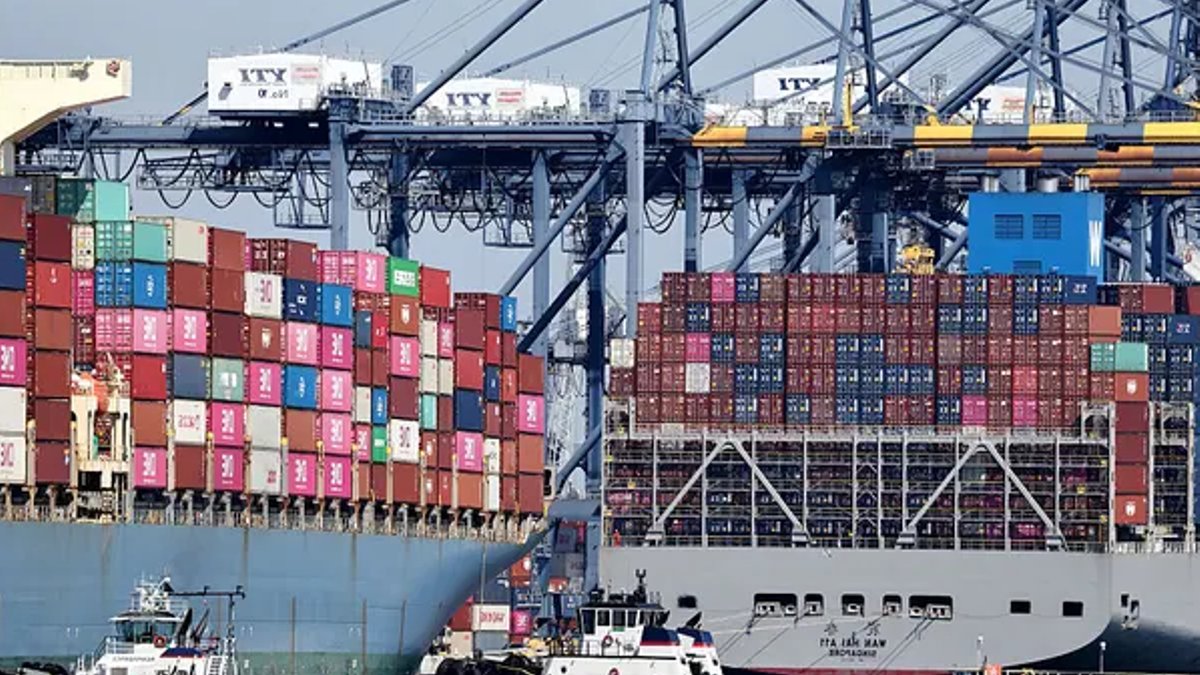
Transpacific ocean rates may remain high despite China’s Golden Week slowdown, according to a Freightos report from October 6. While the holiday typically reduces shipping activity, weather-related disruptions are maintaining freight fees at higher levels. Factory floors and logistics operations usually decelerate during this week-long holiday, which this year spanned from October 1 to October 7. However, carriers have opted to sustain raised rates, influenced by ongoing challenges.
Spot rates from Asia to the U.S. West Coast dropped 3% to $8,322 per forty-foot equivalent unit (FEU) week over week. Rates to the U.S. East Coast remained unchanged at $9,606 per FEU. However, blank sailings caused by port disruptions in China may sustain raised rates. These cancellations, stemming from weather-related issues, are preventing a steeper decline in freight costs despite the seasonal slowdown.
Albert Zerega, SVP of commercial at American Global Logistics, noted on LinkedIn that 157 vessels were waiting at berth in Shanghai as of mid-September. Delays currently range from seven to ten days, with the backlog expected to persist into October. This congestion is unusual for this time of year, as the market typically enters a low-demand phase post-peak season and before the Lunar New Year rush.
Ascent Global Logistics linked the congestion to typhoon-related issues at major Asian ports, resulting in port omissions and schedule changes. Recovery could take several weeks as terminals work through accumulated cargo. The disruptions have led to vessel bunching, further complicating operations and delaying shipments.
The peak shipping season, prolonged by early demand surges, is now tapering off, according to the National Retail Federation and Hackett Associates’ Global Port Tracker published October 8. Shipper frontloading due to U.S. tariff deadlines and surcharges initially prompted an early peak season, with the surge stretching through August. The NRF had forecasted September as potentially the busiest month of the year for imports at major ports. Most holiday goods have already arrived, with the remainder of the year focused on replenishment and planning for 2027.
“Most holiday merchandise has arrived, and the remainder of the year is just a matter of last-minute replenishment and preparation for early 2027,” said Jonathan Gold, NRF VP for Supply Chain and Customs Policy.


