


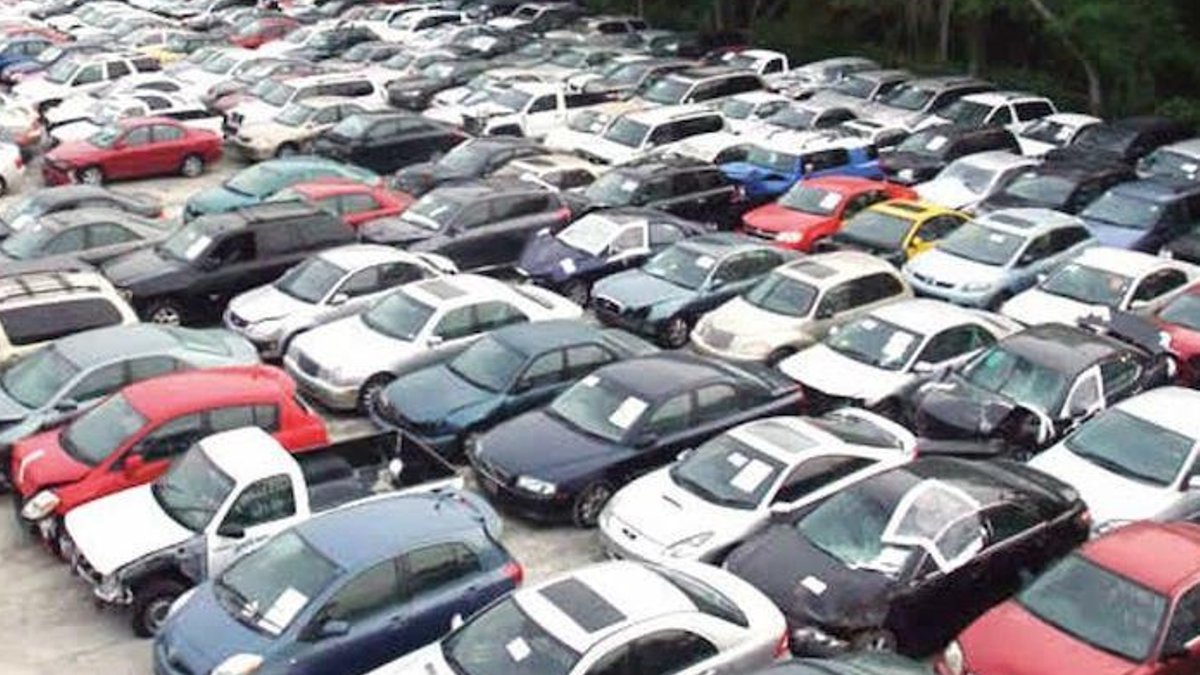
Lagos and Abuja’s streets now tell a different story. Where Toyota Corollas and Honda Accords once ruled, Chinese brands like GAC, Chery, and Changan have taken over.
How Chinese automakers outmaneuvered the competition
The shift resulted from a deliberate strategy. Carmakers from China targeted Nigeria’s 228 million people with a plan built on aggressive pricing, local assembly, and partnerships that turned them into stakeholders. While Japanese and European brands focused on established markets, China saw an opening and moved quickly.
In the first quarter of 2025, Chinese car exports to Africa rose by 67%, with Nigeria as the main destination. GAC’s Lagos assembly plant has produced over 2,000 vehicles. Chery’s Kaduna facility, a joint venture with PAN Nigeria, targets 2,500 units annually. These figures reflect changing expectations among Nigerian buyers.
Social media accelerated the trend. YouTube reviewers like OluwaTobiJethro highlighted Changan’s features, noting prices 40% below Japanese rivals. On TikTok, creators such as @ridewithmiee tested Chery models under ₦25 million, sparking online discussions. Instagram feeds showcased GAC GS3 interiors, each post serving as free promotion for a new generation of consumers.
By 2025, Chinese brands held about 35% of Nigeria’s new car market. The change altered perceptions of cost and value in vehicle ownership.
Related: Naira hits six-month high against dollar
The price war that broke the old order
When CIG Motors introduced GAC vehicles in 2019, the appeal was straightforward: premium features at mass-market prices. A GAC GS8 SUV with heated seats and a touchscreen sold for ₦13 million—less than half the cost of a basic Toyota Corolla. For Nigerian buyers, the decision became simple.
Corporate fleets noticed. Lagos State Government spent ₦260 million on GAC vehicles for its LagRide e-hailing service, a move Governor Babajide Sanwo-Olu endorsed publicly. The announcement signaled official approval of Chinese brands.
After-sales service strengthened the advantage. Chery’s six-year warranty and promise of repairs within a week addressed a key concern for buyers. When delays occurred, customers received loaner vehicles, a service legacy brands rarely provided. For Nigeria’s growing middle class, earning between ₦200,000 and ₦500,000 monthly, these brands made new car ownership achievable.
Yet the pricing came with compromises. LagRide drivers reported frequent repairs on brand-new GAC vehicles, unlike the reliability of older Toyotas. WhatsApp groups and social media forums filled with complaints, suggesting durability still needed improvement.
A full ecosystem, not just cars
China’s approach extended beyond vehicle sales. It created an entire ecosystem—assembly plants and government contracts—that embedded Chinese brands locally.
Related: South Africa Unveils Plan for Responsible AI
The investments generate jobs. CIG Motors’ Lagos plant employs hundreds, transferring skills and technology. Diana Chen’s role in securing a deal between Lagos State and Guangdong Province demonstrated how automotive partnerships could expand economic ties.
Local suppliers are adjusting. Nigerian component manufacturers now adapt products to Chinese specifications, while technicians train on new systems. The transformation reshapes Nigeria’s automotive supply chain.
Reactions on social media vary. YouTube channels examine geopolitical implications, while Instagram and TikTok document real-world experiences. Dealerships post growing inventories of GAC and Chery models, turning buyers into brand advocates.
The outcome is no longer in doubt. Chinese automakers have established dominance in Nigeria’s market. The focus now shifts to how quickly they can expand the model across Africa. Traditional automakers missed the opportunity to respond in time.


