


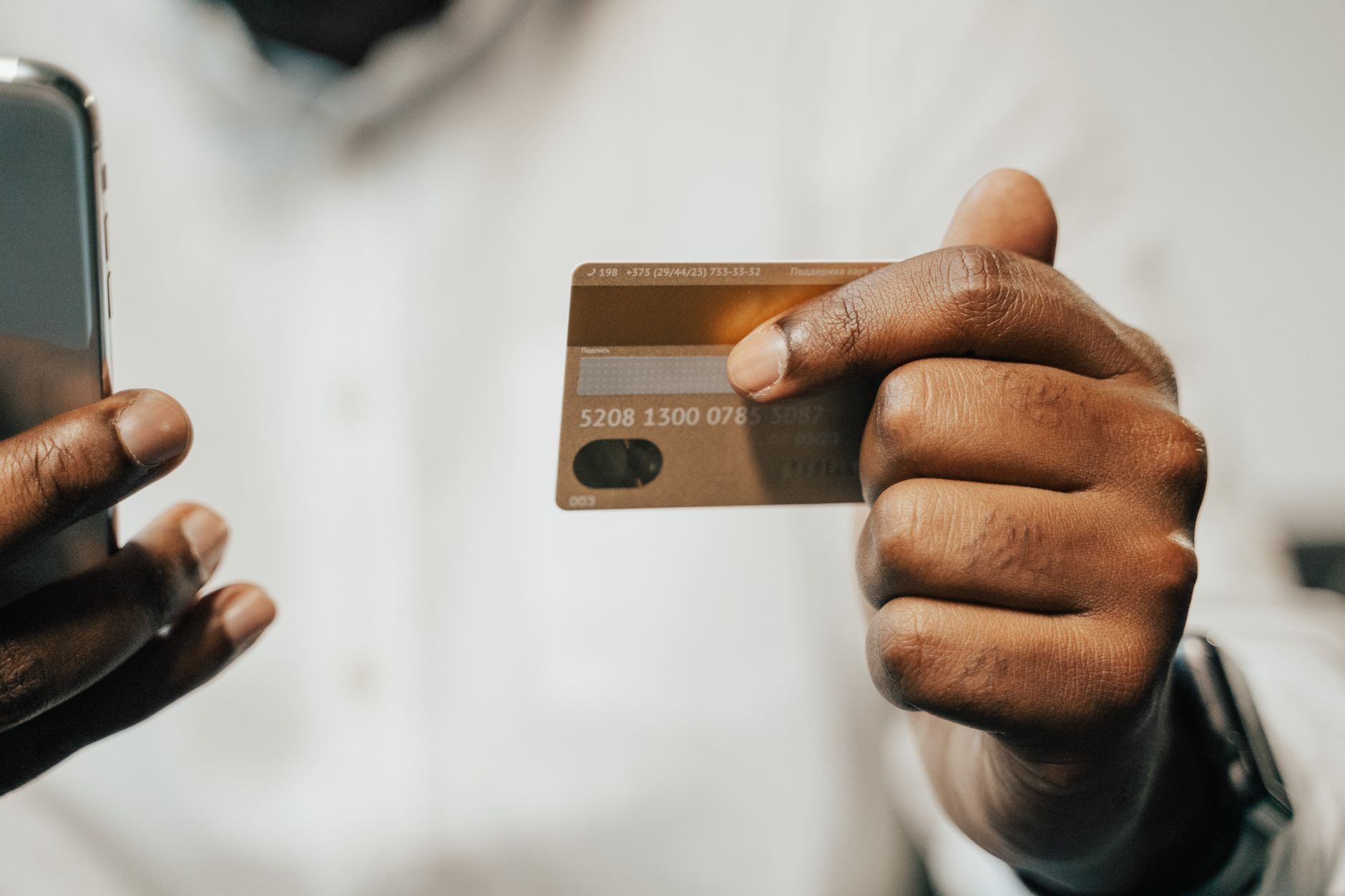
Handling the cashless economy has shifted from a government policy into a daily reality for millions of Nigerians, fundamentally altering how transactions occur across the country. In Lagos, where over 20 million people manage daily finances, and in Abuja, where government workers increasingly receive digital disbursements, a new generation has adopted cashless living as a standard practice. This shift reshapes family budgets and business operations, transforming what was once a policy mandate into a lifestyle choice that many now find essential for survival.
The Numbers Behind the Shift
Recent data from the Central Bank of Nigeria indicates that digital payments now account for over 52% of all transactions by value, with web-based transfers leading the volume at 51.91%. Mobile money transactions surged to ₦20.7 trillion in the first quarter of 2025, marking a 1,500% increase that has raised platforms like OPay and PalmPay from startups to financial powerhouses with over 50 million users combined. This rapid adoption suggests that the infrastructure required for a cashless society is not only in place but functioning at a scale that rivals traditional banking systems.
Market traders in Kano have reported that using QR code payments boosts their daily sales by 30-40%, while young professionals in Port Harcourt manage entire monthly budgets through digital wallets without ever handling physical currency. University students in cities like Ibadan and Enugu use campus-wide systems to eliminate the need for cash, creating a seamless environment where money moves instantly. These real-life transformations illustrate that the benefits of digital transactions extend beyond convenience, offering tangible improvements in financial management and business growth.
Related: Zambia Needs to Close Skills Gap Soon
Successful cashless users typically employ a multi-wallet strategy, maintaining accounts across three to five different platforms to maximize benefits and minimize risks. The most common approach involves using OPay for daily transactions, PalmPay for savings goals, and Moniepoint for business payments, a combination that provides backup options when networks experience downtime. This diversification ensures that if one platform fails, users can rely on others to continue their financial activities without interruption.
With over 2.3 million active POS terminals across the country, the agent banking network serves as a critical infrastructure for those who need to convert digital balances into physical cash. Smart users map these terminals along their daily routes and negotiate bulk rates for weekly cash-outs. The legal framework provided by Nigeria’s Cybercrimes Act offers protection against digital fraud, giving users a recourse when unauthorized activities occur.
Progressive Nigerians have leveraged automatic features across multiple platforms to build wealth unconsciously, setting up systems that move small amounts from spending wallets to high-yield savings products daily. Digital savings products offer returns of 10-15% with daily compounding, significantly outperforming the 1-6% annual rates offered by traditional banks. By laddering investments across different platforms and reinvesting maturity proceeds, users can accelerate wealth accumulation through the power of compound interest.
Related: AI growth in Africa sparks security fears
Nigerian entrepreneurs report that accepting digital payments increases average transaction values by 23% and saves 2-3 hours daily on bookkeeping. Restaurants in Lagos have seen customer frequency rise by 40% when they offer QR code payments, as diners appreciate the convenience and security of contactless transactions. These small business optimizations demonstrate that the digital wallet era offers advantages that extend beyond individual convenience, creating efficiencies that benefit the entire economy.
As the digital ecosystem matures, projected revenue in the sector could reach $3.48 billion by 2029, positioning early adopters to benefit from this growth. Users who master these systems gain access to credit products and investment opportunities that cash-dependent individuals miss entirely, effectively pulling them into the formal economy. The habits developed through successful cashless living—such as regular savings and digital record-keeping—become foundations for long-term wealth creation and economic participation. The question for many is no longer whether to join this movement, but how quickly they can adapt to the tools that are defining the future of finance in Nigeria.


