


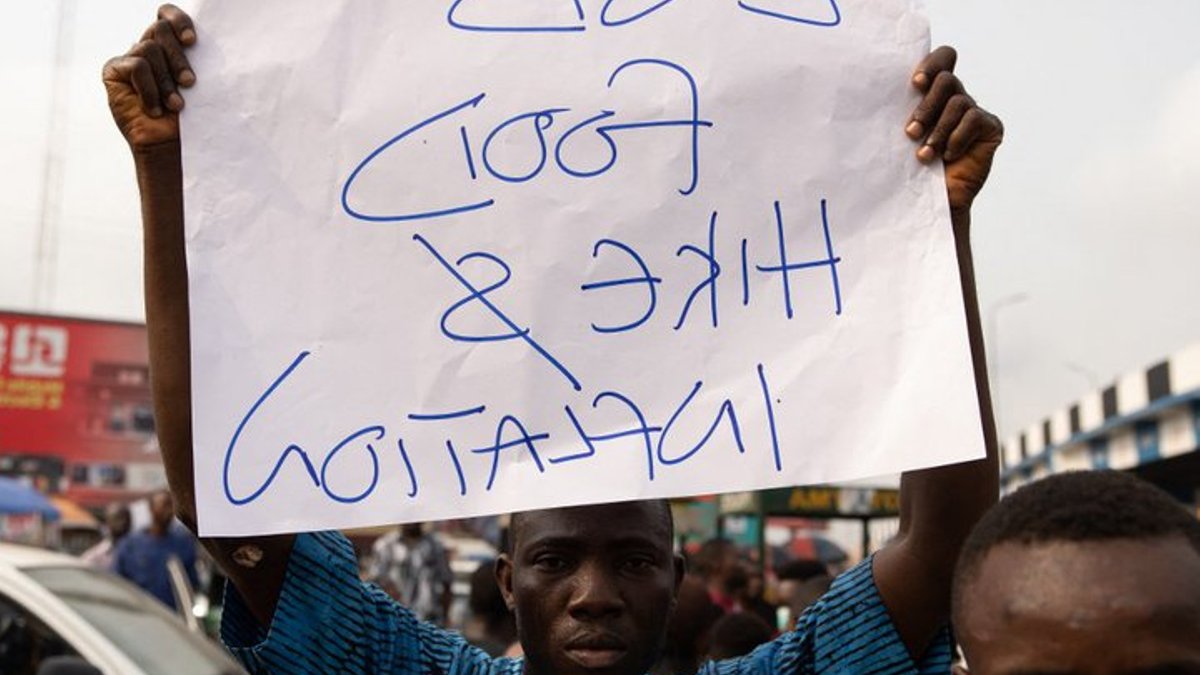
Nigeria’s federal government has allocated more than half of its ₦54.99 trillion 2025 budget to just two line items: debt servicing and personnel costs. The spending plan devotes ₦14.32 trillion to debt repayment and ₦13.64 trillion to salaries and operations, leaving a fraction of public funds for infrastructure, healthcare, or social programs. The budget, initially framed as a “restoration” plan, has instead highlighted how little fiscal room the government has to address mounting pressures facing ordinary citizens.
Rent Surges Strain Urban Families
The housing squeeze in Nigeria’s major cities has become a defining economic pressure for working families. In Lagos, where more than 20 million people live, some neighborhoods have seen rent increases exceeding 120% over the past year. A resident of Ilamoshe Estate named Benson Ehime watched his annual rent jump from ₦900,000 to ₦1.5 million, forcing his household to sell a vehicle just to secure housing.
Port Harcourt families face similar constraints, with two-bedroom apartments now commanding ₦2 million to ₦3.5 million annually. In Abuja, a four-bedroom duplex can list for ₦15 million per year. These figures represent real decisions for households whose incomes have not kept pace with climbing costs.
Citizens Build Their Own Safety Nets
With government budgets stretched thin, Nigerians have turned to community-based solutions that reduce household expenses. In Lagos suburbs, savings circles have expanded into formal cooperatives, enabling members to purchase goods in bulk and cut individual spending by up to 30%. WhatsApp groups focused on daily spending accountability have become common, with participants sharing updates and celebrating small financial wins.
Related: Nigeria’s Former IGP Solomon Arase Dies at 69
Urban farming has gained momentum as food prices rise. Rooftop gardens and balcony vegetable plots have appeared across cities, while neighborhood plots let residents share the cost of seeds, tools, and expertise.
The rental burden has also reshaped housing arrangements. Shared apartments among unrelated professionals have become normalized, facilitated by apps that match strangers willing to split high rents.
Digital Work Offers Escape Routes
Younger Nigerians have increasingly turned to remote freelance work as an alternative to low-paid government positions that pay around ₦70,000 per month. The gap between formal employment earnings and online income has made the transition financially compelling for many households.
Social media has amplified this shift. Content creators now produce budget tutorials, investment guides, and cooking challenges that attract large audiences. Hashtags like #BudgetingInNigeria draw thousands sharing strategies for stretching limited incomes, from bulk buying tactics to multiple income streams. YouTube channels explain financial concepts in local languages, filling gaps that formal education and traditional banking services have left unaddressed.
Related: Bowmans Joins South African AI Association Advisory Board
Facebook groups with names like “Lagos Budget Living” have gathered hundreds of thousands of members swapping market prices, coordinating group purchases, and posting tips for handling inflation. These platforms function as informal financial institutions, offering advice and community support without fees or门槛 barriers.
Parents facing school fee increases have organized their own solutions. Cooperative learning groups pool resources to hire qualified teachers for small classes, while families share internet plans and devices to access online education platforms. The approach reduces per-child costs compared to formal private schooling.
For many, the platforms also provide psychological relief. Discussions about feeding children on tight budgets draw supportive comments and practical suggestions, creating networks of mutual aid that replace isolation with collective problem-solving. Humor helps too; memes about expensive jollof rice and impossible budgets generate shared laughter that makes hardship more bearable.
International observers have taken note. The International Monetary Fund has warned that Nigeria must restructure its spending to avoid deepening economic problems, a signal that external institutions see the current path as unsustainable. Whether that warning prompts policy changes or citizens continue building independent support systems remains to be seen.


